





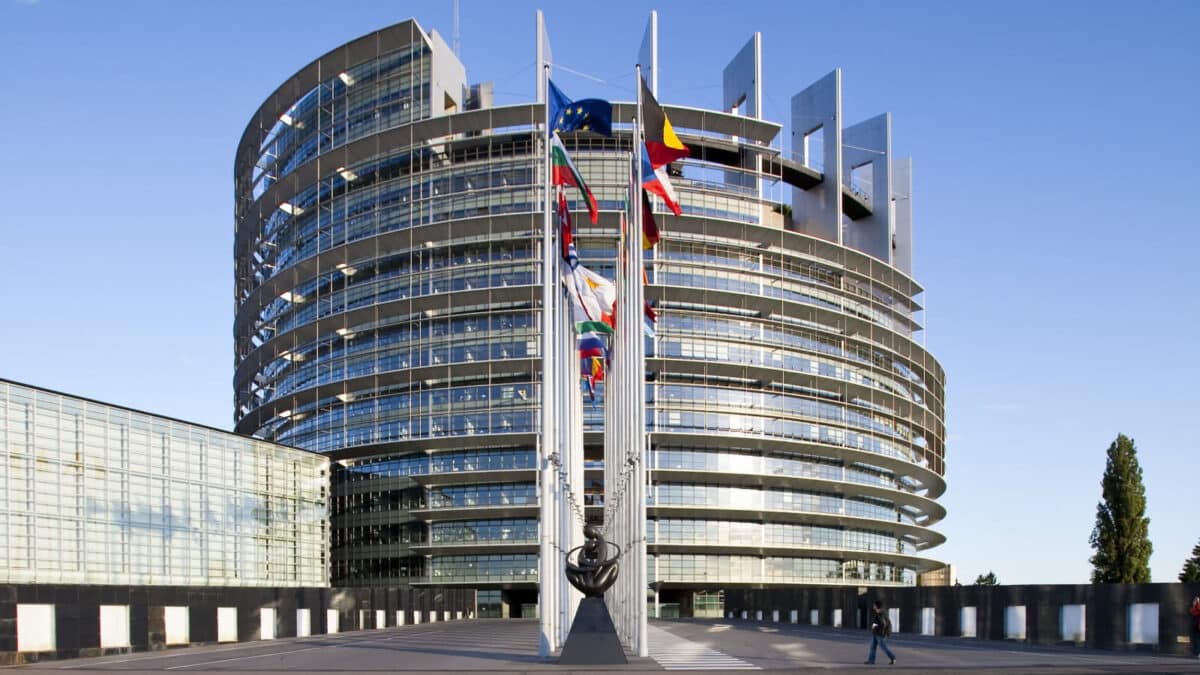
Strasburgo (eu24news) – On Thursday 12 March the European Parliament held a plenary debate on how the European Union should step up efforts to prevent and treat obesity, a condition increasingly recognised as one of Europe’s most pressing public-health challenges.
During the discussion with the European Commission, Members of the European Parliament warned that obesity rates are rising across the continent and called for stronger European cooperation to address the issue through prevention, treatment and public awareness.
Presenting the Commission’s statement, officials highlighted the growing burden obesity places on healthcare systems and societies. Widely recognised as a complex chronic disease, obesity is linked to several serious conditions, including type 2 diabetes and cardiovascular diseases. EU health programmes increasingly emphasise that tackling the problem requires a comprehensive approach combining prevention policies, improved treatment options and research.
Several MEPs stressed that obesity should not be treated merely as a lifestyle issue but as a multifactorial disease influenced by social and economic factors. Access to healthy food, education, urban planning and income levels all play a role in shaping health outcomes, they said. Romana Jerković (S&D, Croatia) stressed the importance of better educating citizens about environmental factors that foster obesity, including aggressive advertising in supermarkets. For Laurent Castillo (EPP, France), treating obesity also means improving mental health and fighting diabetes, cardiovascular diseases, and certain forms of cancer.
Giuseppe Lupo (S&D, Italy) added that Europe needs to invest in building sports facilities that “are freely accessible to all”.
“Obesity is one of the most serious public health challenges facing Europe today and tackling it must start with strong prevention policies,” said Tomislav Sokol (EPP, Croatia). He warned that the growing number of children affected by overweight and obesity across Europe is “deeply concerning” and requires urgent action.
Sokol also called for greater focus on education and consumer information, arguing that investing in prevention would help reduce the long-term burden on healthcare systems and “build a healthier future for Europe”.
Health inequalities also emerged as a key theme in the debate. Several parliamentarians pointed out that obesity rates tend to be higher in disadvantaged communities, where access to healthy food and preventive healthcare can be limited. They urged the Commission to integrate obesity prevention into broader EU policies, including those related to education, agriculture and consumer protection.
In a statement to the press, Letizia Moratti (EPP, Italy) called for obesity to be recognised as a chronic disease at European level and included among the priorities of the European Cardiovascular Health Plan.
Moratti also proposed the creation of a European Obesity Network, bringing together EU institutions, member states and local stakeholders to strengthen coordination. “Obesity and cardiometabolic diseases are not only a public health emergency but also an economic, educational and social challenge,” she said, adding that “Europe needs a structured response”. While healthcare policy remains largely a national competence, the debate revealed broad support in Parliament for stronger EU involvement. MEPs pointed to the Union’s role in supporting research, promoting healthier food systems and coordinating public-health initiatives across Member States.